Death Tarot Card Meaning
Upright & reversed, love, and yes-or-no — the full picture.
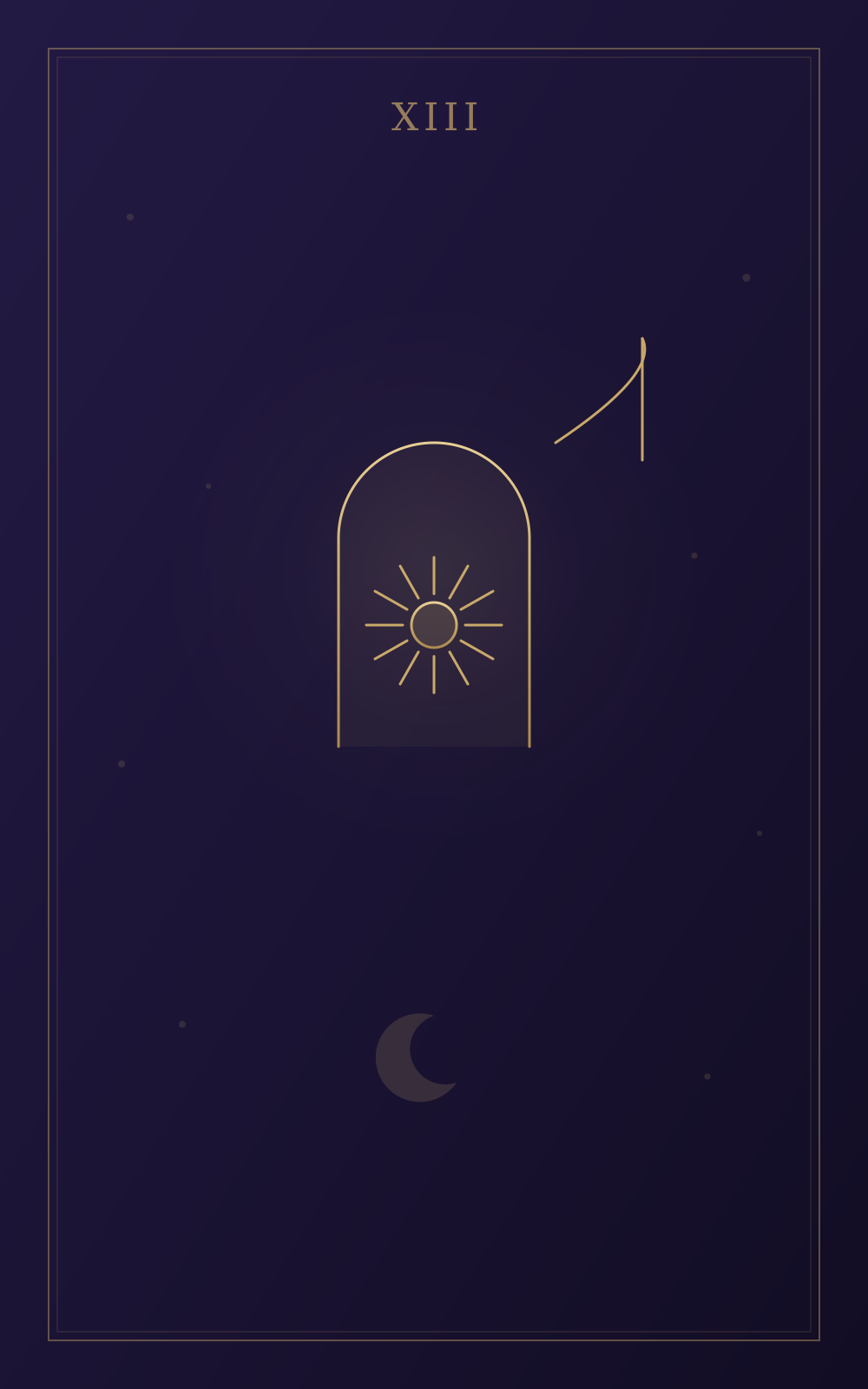
A skeleton in black armor rides a pale horse across a field where a king already lies fallen, while a child offers flowers and a bishop pleads — and on the rider's banner blooms a white rose. Death is the most misread card in tarot: it almost never means a literal death. It means an ending that cannot be negotiated with. Upright, something in your life has completed — a job, an identity, a relationship's current form, a long chapter of striving — and the card arrives not to ask permission but to confirm what part of you already knows. Look past the rider: between two distant towers, the sun sits on the horizon, and the river behind the horse keeps flowing. Endings under this card are compost, not catastrophe. The figures in the image show every possible response — denial, bargaining, innocence — and the horse walks through all of them at the same unhurried pace. Grieve properly, travel light, and let the field lie fallow. What grows next needs this clearing.
Reversed, Death's procession halts mid-field — the ending is being resisted, and resistance is the entire story of this card inverted. The pale horse stands waiting while someone argues with the rider. You may be performing CPR on a job, a relationship, an image of yourself that finished months or years ago: still going through motions whose meaning left, still paying rent on a chapter that closed. The cost of refusal is not that the ending goes away — endings never withdraw — but that it arrives in slow motion, draining resources the whole way down. Half-buried things do not stay buried; they surface at worse moments. This reversal can also mark grief jammed mid-process: a loss never properly mourned, so it leaks into everything at low concentration. The white rose on the black banner still blooms for you. Whatever you are clutching, its living version is already gone, and your hands are needed elsewhere. Finish the funeral. The river on the card only carries those who let go of the bank.
The white rose on Death's black banner is love's strange comfort here: an ending that clears space for truer connection. A relationship may be concluding, or transforming so deeply its old form dies — the honeymoon self, the dynamic that stopped fitting. Mourn what completes; the sun on the card's horizon sits low but has not set.
Reversed, the fallen king in the card's foreground refuses to stay down: an ex kept on life support, a dead dynamic revived every few months, a breakup executed halfway and abandoned. Neither partner can grow in a graveyard tended this carefully. Complete the ending you keep interrupting — love's next season cannot start on unfinished ground.
One card, one clear answer — and the reason behind it.
Does the Death card mean someone will die?
−What does Death mean in a love reading?
+Is Death a yes or no card?
+Tarot readings on Arcavoya are for reflection and entertainment — not a substitute for professional medical, legal, or financial advice.