Nine of Wands Tarot Card Meaning
Upright & reversed, love, and yes-or-no — the full picture.
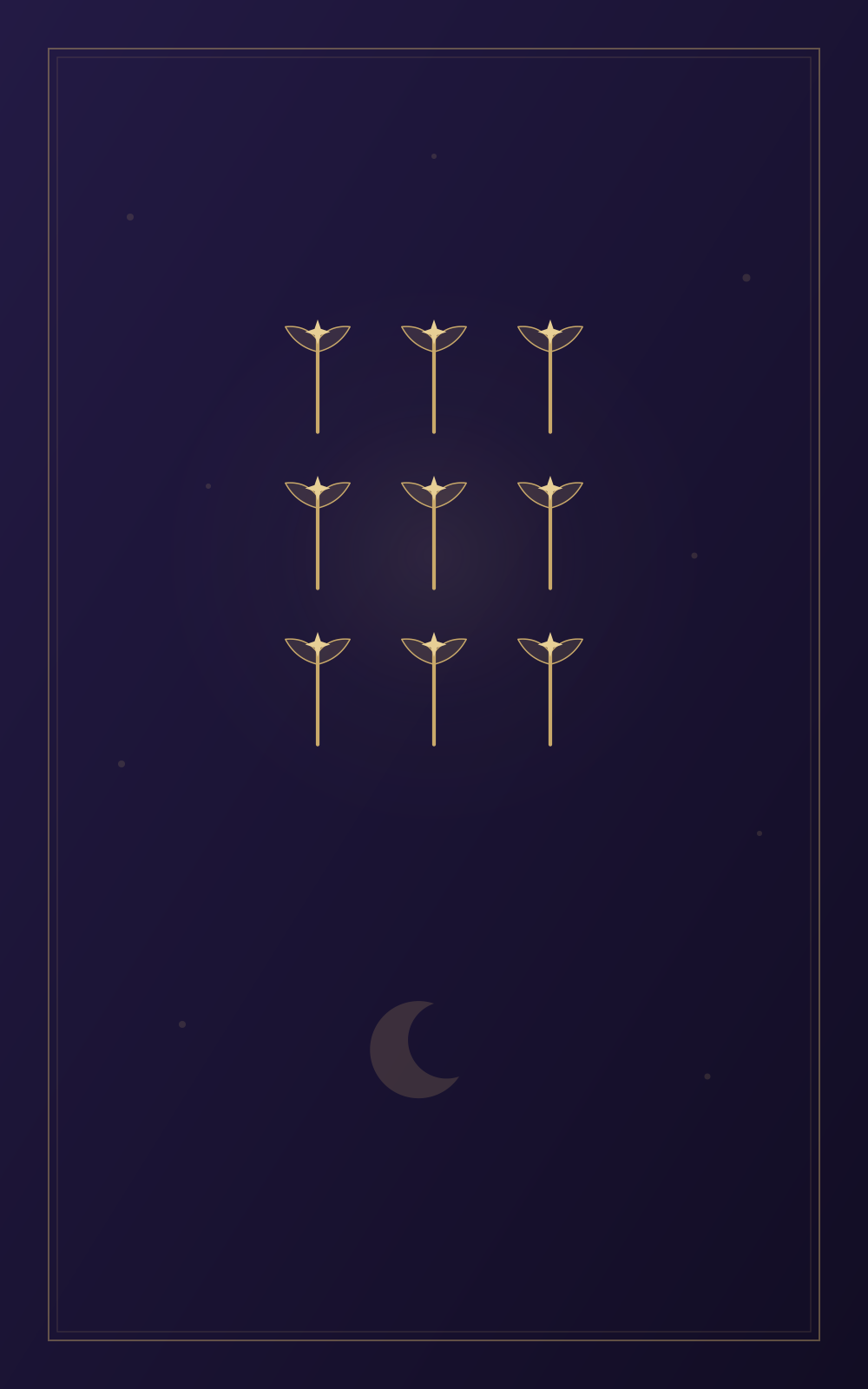
Bandaged at the head, a weary figure leans on his staff before a fence of eight planted wands, watching the horizon for one more assault. The Nine of Wands is the suit's endurance card: you have been through the campaign, taken real hits, and, this matters, you are still upright. Whatever the arena, a long project, a difficult year, a recovery, the card places you near the end with reserves lower than pride admits. Its counsel is double. First, persist: the fence you built from previous battles is genuine protection, and the final test is usually smaller than the tired mind paints it. Second, stay honest about the cost. Vigilance earned by experience is wisdom; vigilance that scans every horizon for enemies becomes its own wound. Lean on the staff, that is what it is for, accept relief where offered, and hold the line one more watch. The bandage in the picture tells the truth: hurt and defeated are different words, and you are only the first.
Overdone, the Nine of Wands' vigilance curdles: the reversed card shows the fence built so high the defender can no longer see which approaching figures are enemies and which are help. Wariness has hardened into reflex, trust withdrawn from allies who earned it, every question heard as an attack, old wounds consulted before every new decision. Underneath the bristling is usually simple depletion, a person who has held the line so long that holding is all they remember how to do. This reversal asks whether the war you are braced for is still happening, or whether you are garrisoning a peace. It can also mark the point where stubbornness stops serving: refusing to pause, refusing reinforcements, refusing to admit the bandage needs changing. The way through is small, deliberate lowering of the guard, one accepted offer of help, one fence-post removed for a person who has proven safe. Armor was made to be taken off between battles. Check whether this is between battles. It often is.
The bandaged sentry before his wand-fence is the guarded heart: someone bruised by past relationships who still shows up, warily, hopeful despite the flinch. For couples, it honors persistence through a hard stretch that is nearly over. Let the fence have a gate; protection that admits no one protects nothing worth having.
Reversed, the fence closes its gap: old wounds patrol the new relationship, a partner interrogated for crimes someone else committed, or two tired people defending against each other instead of resting together. The bandage is being worn as armor. Name the actual injury aloud, most sieges here are memories, not the present person.
One card, one clear answer — and the reason behind it.
What does the Nine of Wands say when I feel like quitting?
−What does the Nine of Wands mean in love after heartbreak?
+Is the Nine of Wands reversed a no?
+Tarot readings on Arcavoya are for reflection and entertainment — not a substitute for professional medical, legal, or financial advice.