Ten of Swords Tarot Card Meaning
Upright & reversed, love, and yes-or-no — the full picture.
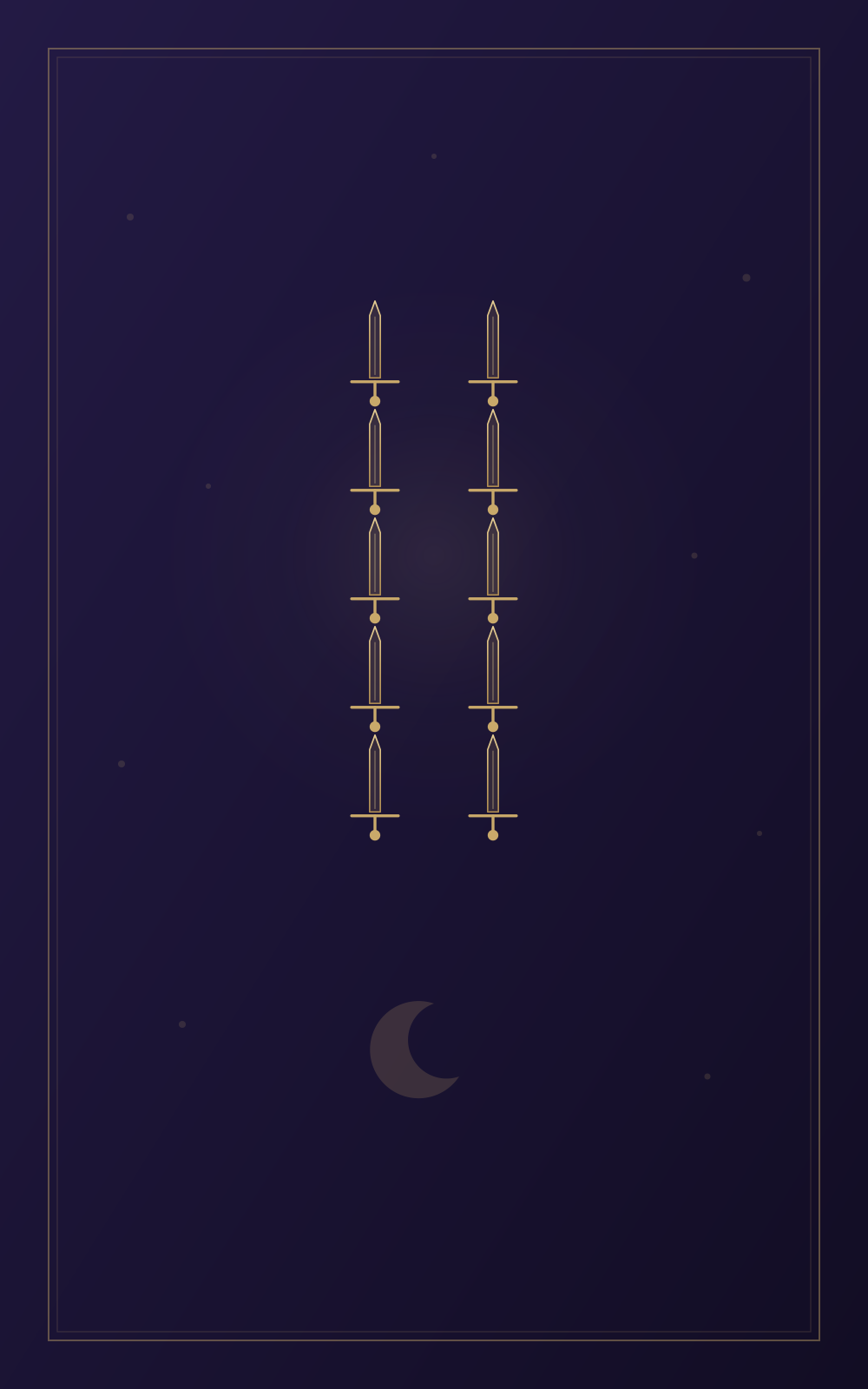
Ten swords stand in a figure lying face-down at the water's edge, the sky above pitch black, and yet along the horizon a band of gold is already widening over a calm sea. The Ten of Swords closes the suit, and it does not flinch: something here is over. A job, a relationship, a self-image, a long fight; the card marks total endings, and sometimes the sting of betrayal that finishes them. Its excess is deliberate, since one sword would have sufficed, and ten is the mind doing what the mind does, replaying a defeat until it becomes an epic. But every detail beyond the figure argues against despair: the water is still, the dawn is literal, and in the Rider-Waite-Smith drawing the hand at the figure's side curls into a sign of blessing. Rock bottom is, structurally, the one floor that holds. Nothing in this image threatens the reader; it depicts an ending already complete. What it asks of you: stop relitigating the collapse, salvage its one honest lesson, and turn your face toward the strip of light that is already there.
Turned upside down, the fallen figure of this card seems to rise as the blades slide free, and the gold horizon pours upward through the scene; the Ten of Swords reversed is survival taking its first breath. The catastrophe is behind you, and what remains is the slow, unglamorous mechanics of getting up: closing accounts, updating the story you tell about what happened, discovering which strengths the collapse could not touch. This reversal often arrives when someone underestimates their own progress, still narrating themselves as flattened while visibly walking around. It can carry one warning: a refusal to let the ending finish, propping a dead situation upright and calling the twitching recovery. Do not rebuild the old structure on the old fault line. What ended, ended for reasons worth writing down. The dawn in this card is no longer a distant band but the whole direction of travel. Its request is plain: rise at whatever pace is honest, carry the lesson and not the blades, and let the finished thing be finished.
Ten blades in the fallen figure's back is love's starkest ending: a relationship concluded past reviving, or the wound of a partner's betrayal. Yet Smith paints dawn gilding the calm sea beyond the body. The card counsels accepting that this chapter is over; its finality is precisely what frees the next one.
Reversed, the pierced figure stirs beneath a brightening sky, and in love this is the mending after the worst: grief completing its work, trust slowly regrowing after betrayal, or the moment you stop checking an ex's life. Do not resurrect what ended; rise, carry the lesson, and walk toward the light.
One card, one clear answer — and the reason behind it.
Is the Ten of Swords the worst card in the deck?
−Is the Ten of Swords a yes or no card?
+What does this card mean for my job or projects?
+Tarot readings on Arcavoya are for reflection and entertainment — not a substitute for professional medical, legal, or financial advice.