Three of Swords Tarot Card Meaning
Upright & reversed, love, and yes-or-no — the full picture.
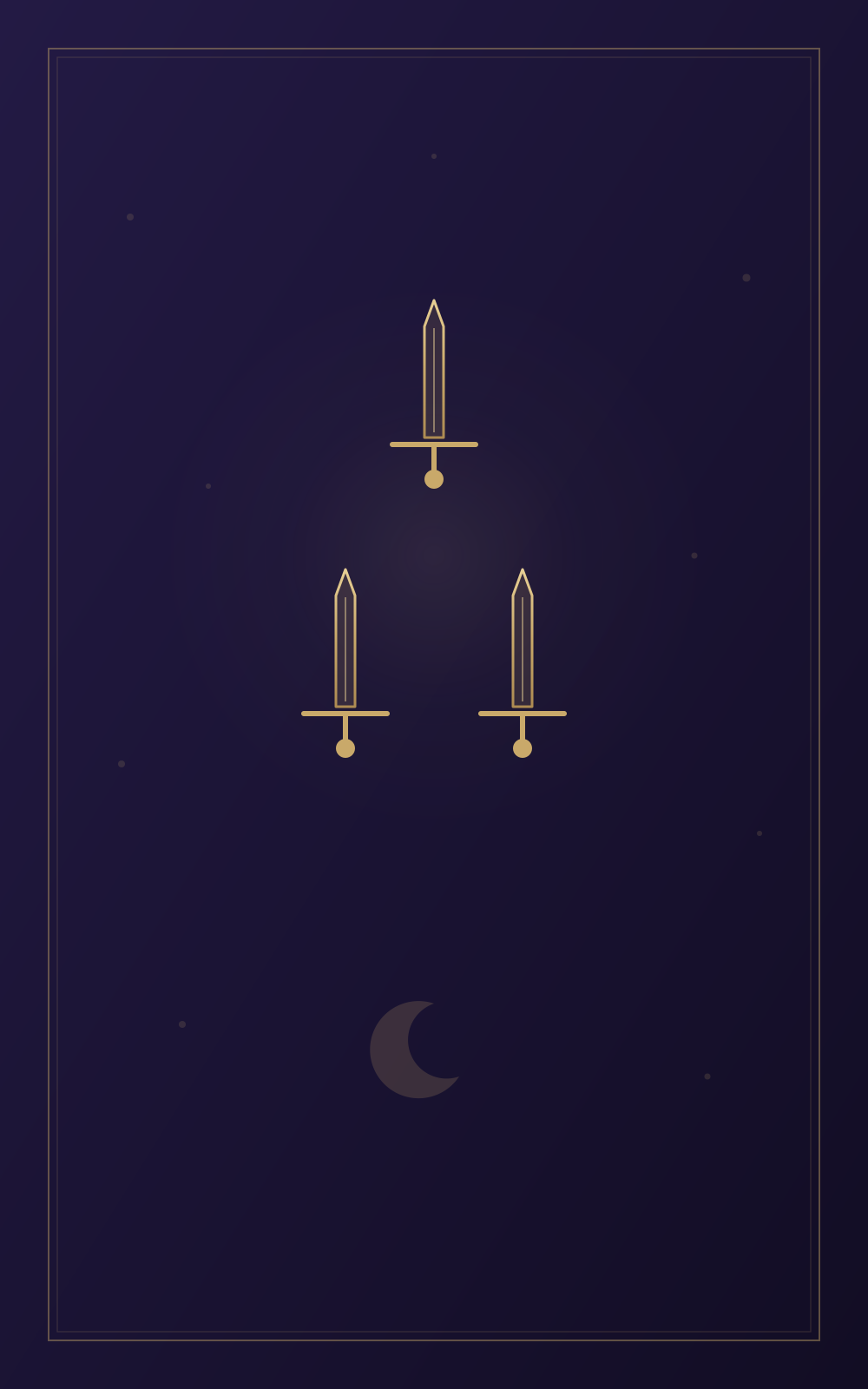
Rain slants across a grey sky, and at the center hangs a red heart pierced by three straight blades. The Three of Swords is the most literal image in the Rider-Waite-Smith deck, and its honesty is the point: no figures, no landscape, no softening story, just the fact of hurt. It marks heartbreak, betrayal, hard news, or a truth that lands like weather you cannot argue with. What distinguishes this card from vague sadness is precision; swords are the suit of mind, so this pain has a shape and usually a sentence attached, the words that were said or the words you finally understood. Readers often fear this card, but its rain matters: rain passes, and rain also clears the air. Grief that is named can move; grief that is denied stays lodged like steel. The card does not predict disaster so much as acknowledge one, often already underway. It asks you to let the loss be real, to say the accurate sentence about what happened, and to let the sky do its slow work of clearing.
Turned over, the swords begin to slide free of the heart and the storm empties itself out; the Three of Swords reversed is the aftermath card, the first dry morning. The sharp event is over, and the work shifts from surviving the wound to releasing it. Sometimes this shows forgiveness, of another or of yourself; sometimes it simply shows the day pain stops being the first thing you think about. There is a caution folded in: a reversed three can also mean pain turned inward and kept private, an old heartbreak rehearsed silently until it becomes identity. Scar tissue is stronger than skin but less flexible, and some people armor a healed wound so thoroughly that nothing new can reach it. Notice which version is yours. If grief is genuinely draining away, help it: speak of the loss in the past tense, and stop reopening the conversation that ended. What it asks now: let the healing be as real as the hurt was, without pretending the hurt never happened.
Few love omens are as blunt as a heart run through by three swords under rain: a breakup, a betrayal, or words that cannot be unsaid. Yet the card's clouded sky is weather, not climate. It counsels feeling the sorrow cleanly instead of numbing it, and refusing to rewrite the truth of what happened.
Here the blades withdraw from the pierced heart and the rain thins, which in love speaks of mending after rupture: forgiveness offered, an amicable ending, or a heart cautiously reopening. Watch for the shadow reading, where old heartbreak is clutched like a keepsake; the storm has passed, so stop standing in it.
One card, one clear answer — and the reason behind it.
Does the Three of Swords always mean a breakup?
−Is the Three of Swords a yes or no card?
+How should I respond if this card appears?
+Tarot readings on Arcavoya are for reflection and entertainment — not a substitute for professional medical, legal, or financial advice.