Two of Swords Tarot Card Meaning
Upright & reversed, love, and yes-or-no — the full picture.
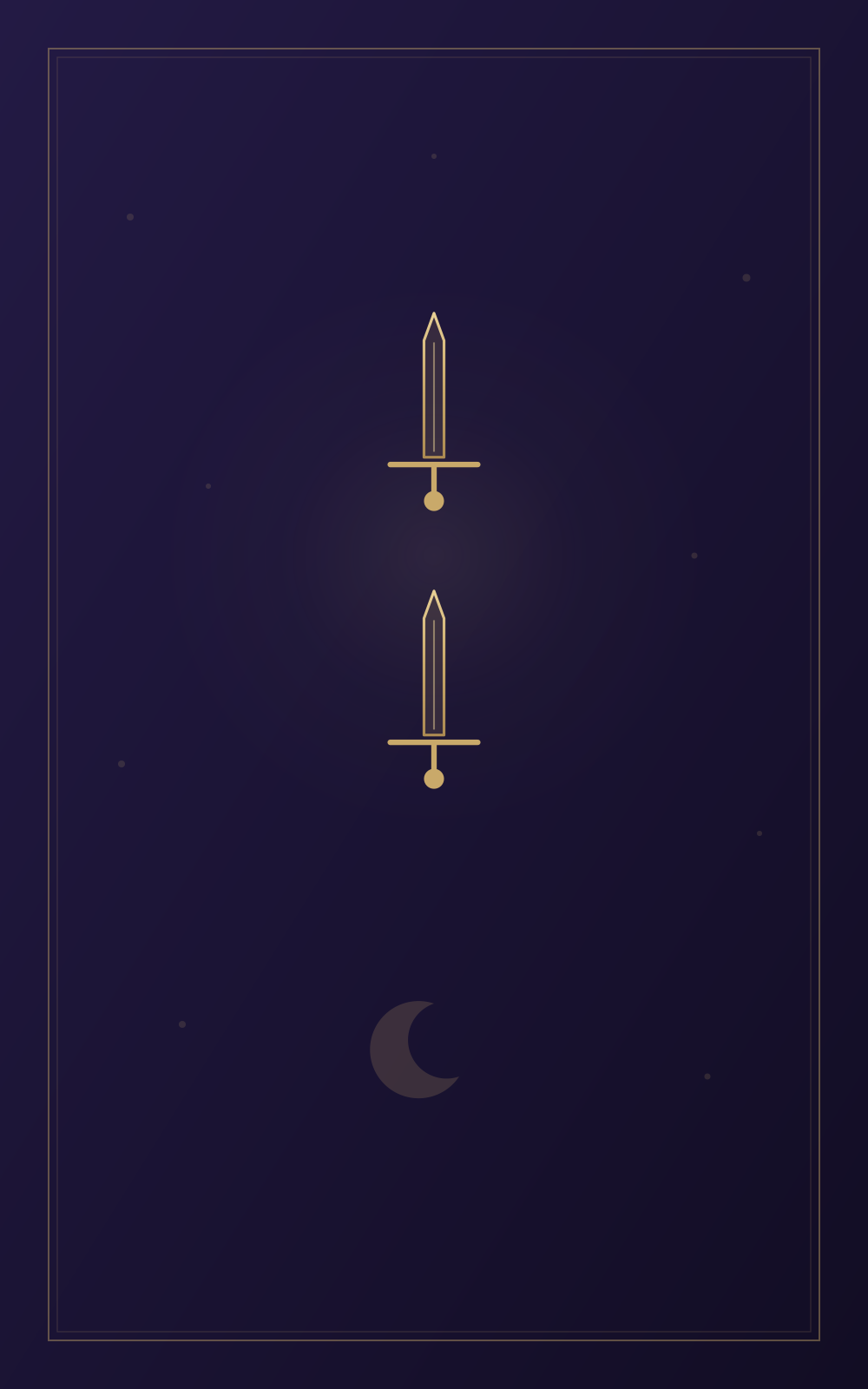
A woman sits on a stone bench with her back to the sea, blindfolded, arms crossed over her chest, a long sword balanced in each hand. Behind her the water is scattered with rocks and a crescent moon hangs in the sky. Everything in the Two of Swords is about equilibrium bought at a price: she is perfectly steady, and completely stuck. This card appears when you are holding two options, two people, or two truths at arm's length, refusing to look at either. The blindfold is the detail that matters most, because it is self-applied; nobody tied it there. Often the querent already knows which way they would choose if choosing felt safe. The truce holds for now, but those swords are heavy, and arms tire. The moon hints that intuition still works even when the eyes are covered. The card asks you to admit that not deciding is itself a decision, and to lower one sword long enough to feel which choice your body has already made.
Reversed, the blindfold loosens and the swords grow too heavy to hold in position: the stalemate is ending whether you are ready or not. Something the upright card kept at bay gets through, and the long-suppressed pressure of the deadlock finally discharges. New information arrives, a deadline lands, or another person makes the choice you kept postponing, and the careful balance collapses into motion. That can feel like crisis, but much of what breaks here needed to break; a truce built on not-looking was never peace. There is also a subtler reading: you may be flooded with input after months of shutting it out, seeing both sides so vividly that you swing between them daily. Beware deciding out of sheer exhaustion, and beware handing the choice to whoever pushes hardest. The rocks in the sea behind the bench are still there. The card asks you to use your recovered sight deliberately: look at both options in full light, then choose the one you can defend tomorrow.
The blindfolded woman with her back to the water is a portrait of a heart under guard: crossed arms, crossed swords, feeling held at a distance. In love this often means avoiding a defining conversation, or staying suspended between two people or two futures. The crescent moon suggests you already sense the answer.
When the card reverses, the swords slip and the sea she ignored comes into view, which in love means the standoff breaks: someone finally speaks, or an outside event forces the issue. Emotions surge after long suppression. Choose with your eyes open rather than letting relief or pressure choose for you.
One card, one clear answer — and the reason behind it.
What does the Two of Swords mean when I ask about a decision?
−Is the Two of Swords a yes or no card?
+Why is the woman in the card blindfolded?
+Tarot readings on Arcavoya are for reflection and entertainment — not a substitute for professional medical, legal, or financial advice.